Are you a trainer, consultant, or thought leader scaling your expertise beyond the room? → Explore AhaPlay for Creators
Your leadership made a decision. Every team is executing a different version of it.
A decision made at the top becomes a different decision by the time each team acts on it — and most organisations have no way to see the gap until it surfaces as rework, missed outcomes, or change that never sticks. AhaPlay turns what leadership decides into structured sessions where every team discusses it, aligns on it, and commits to action. With proof, not anecdotes.
30 minutes. Bring your strategy doc — leave with a draft programme.
Trusted by
'%3e%3cg%20id='g10'%20transform='scale(0.1)'%3e%3cg%20id='g12'%3e%3cg%20id='g14'%20clip-path='url(%23clipPath18)'%3e%3cpath%20d='m%202138.6,1999.72%20-522.95,-522.91%20-522.69,522.91%20H%20951.727%20V%20748.891%20h%20265.653%20v%20743.129%20l%20398.4,-398.43%20398.44,398.43%20V%20748.891%20h%20265.65%20V%201999.72%20H%202138.6'%20style='fill:%23212c59;fill-opacity:1;fill-rule:nonzero;stroke:none'%20id='path50'/%3e%3cpath%20d='M%200.15625,1437.92%20686.102,751.969%20v%20685.951%20z'%20style='fill:%23ee2e21;fill-opacity:1;fill-rule:nonzero;stroke:none'%20id='path52'/%3e%3cpath%20d='M%202629.5,1999.72%20V%20752.641%20H%203843.09%20V%201002.61%20H%202896.1%20v%20284.44%20h%20587.94%20v%20249.97%20H%202896.1%20v%20205.75%20h%20895.71%20v%20256.95%20H%202629.5'%20style='fill:%23212c59;fill-opacity:1;fill-rule:nonzero;stroke:none'%20id='path54'/%3e%3c/g%3e%3c/g%3e%3cg%20id='g56'%3e%3cg%20id='g58'%20clip-path='url(%23clipPath62)'%3e%3cpath%20d='m%205141.41,1628.38%20c%201.9,31.11%20-10.73,61.32%20-34.13,81.88%20-35.17,20.21%20-75.51,29.69%20-116.02,27.24%20h%20-566.61%20v%20-228.42%20h%20566.57%20c%2041.07,-3.75%2082.14,7.11%20116.02,30.64%2021.46,24.57%2033.57,55.94%2034.13,88.57%20m%20341.34,-875.751%20h%20-296.9%20L%204858.26,1260.32%20H%204424.65%20V%20752.621%20H%204161.76%20V%201993.03%20h%20832.78%20c%20105.07,4.61%20208.59,-26.64%20293.54,-88.61%2082.96,-66.94%20128.64,-169.64%20122.83,-276.04%200.43,-78.01%20-23.45,-154.25%20-68.27,-218.08%20-46.81,-63.92%20-112.49,-111.58%20-187.74,-136.32%20l%20327.81,-521.441'%20style='fill:%23212c59;fill-opacity:1;fill-rule:nonzero;stroke:none'%20id='path64'/%3e%3cpath%20d='m%206659.15,1992.92%20-550.23,-463.44%20v%20463.44%20h%20-266.6%20V%20752.602%20h%20266.6%20v%20460.028%20l%20187.91,160.15%20461.49,-620.132%20h%20311%20l%20-581.05,783.652%20540.01,456.62%20h%20-369.13'%20style='fill:%23212c59;fill-opacity:1;fill-rule:nonzero;stroke:none'%20id='path66'/%3e%3cpath%20d='M%207378.19,1999.72%20V%20752.641%20h%201119.69%20v%20249.969%20h%20-853.34%20v%20997.11%20h%20-266.35'%20style='fill:%23212c59;fill-opacity:1;fill-rule:nonzero;stroke:none'%20id='path68'/%3e%3cpath%20d='M%208785.14,1999.72%20V%20752.641%20h%201213.69%20v%20249.969%20h%20-950.4%20v%20284.44%20h%20587.94%20v%20249.97%20h%20-587.94%20v%20205.71%20h%20899.02%20v%20256.99%20H%208785.14'%20style='fill:%23212c59;fill-opacity:1;fill-rule:nonzero;stroke:none'%20id='path70'/%3e%3c/g%3e%3c/g%3e%3c/g%3e%3c/g%3e%3c/svg%3e)

%20--%3e%3csvg%20version='1.1'%20id='IBM_logo_8-bar_blue'%20xmlns='http://www.w3.org/2000/svg'%20xmlns:xlink='http://www.w3.org/1999/xlink'%20x='0px'%20y='0px'%20width='1075px'%20height='401.15px'%20viewBox='0%200%201075%20401.15'%20enable-background='new%200%200%201000%20401.15'%20xml:space='preserve'%3e%3ctitle%3eLogo%20International%20Business%20Machines%20Corporation%3c/title%3e%3cg%20id='IBM_logo'%20fill='%231f70c1'%3e%3cg%20id='I'%3e%3crect%20y='373.17'%20width='194.43'%20height='27.932'/%3e%3crect%20y='319.83'%20width='194.43'%20height='27.932'/%3e%3crect%20x='55.468'%20y='266.54'%20width='83.399'%20height='27.932'/%3e%3crect%20x='55.468'%20y='213.25'%20width='83.399'%20height='27.932'/%3e%3crect%20x='55.468'%20y='159.96'%20width='83.399'%20height='27.932'/%3e%3crect%20x='55.468'%20y='106.58'%20width='83.399'%20height='27.932'/%3e%3crect%20y='53.288'%20width='194.43'%20height='27.932'/%3e%3crect%20width='194.43'%20height='27.932'/%3e%3c/g%3e%3cg%20id='B'%3e%3cpath%20d='m222.17%20400.85%20207.11%200.297c27.734%200%2052.793-10.697%2071.513-27.932h-278.62z'/%3e%3cpath%20d='m222.17%20347.76h299.03c5.051-8.617%208.815-18.027%2011.094-27.932h-310.12z'/%3e%3crect%20x='277.73'%20y='266.54'%20width='83.3'%20height='27.932'/%3e%3cpath%20d='m444.43%20266.54v27.932h90.927c0-9.608-1.288-19.017-3.764-27.932z'/%3e%3cpath%20d='m497.92%20213.25h-220.19v27.932h243.46c-6.34-10.698-14.165-20.107-23.277-27.932z'/%3e%3cpath%20d='m277.73%20159.96v27.932h220.19c9.311-7.825%2017.135-17.235%2023.277-27.932z'/%3e%3crect%20x='277.73'%20y='106.58'%20width='83.3'%20height='27.932'/%3e%3cpath%20d='m444.43%20134.51h87.163c2.476-8.914%203.764-18.324%203.764-27.932h-90.927z'/%3e%3cpath%20d='m521.2%2053.288h-299.03v27.932h310.12c-2.575-9.905-6.339-19.314-11.093-27.932z'/%3e%3cpath%20d='m429.28%200h-207.11v27.932h278.53c-18.621-17.235-43.878-27.932-71.414-27.932z'/%3e%3c/g%3e%3cg%20id='M'%3e%3cpolygon%20points='555.57%2081.22%20742.67%2081.22%20733.06%2053.288%20555.57%2053.288'/%3e%3cpolygon%20points='555.57%2027.932%20724.25%2027.932%20714.64%200%20555.57%200'/%3e%3cpolygon%20points='861.03%20401.17%20861.03%20373.24%201e3%20373.24%201e3%20401.17'%20stroke-width='1.0018'/%3e%3cpolygon%20points='861.03%20347.76%20861.03%20319.83%201e3%20319.83%201e3%20347.76'/%3e%3cpolygon%20points='777.73%20182.54%20769.91%20159.96%20694.43%20159.96%20611.03%20159.96%20611.03%20187.89%20694.43%20187.89%20694.43%20162.24%20703.25%20187.89%20852.22%20187.89%20861.03%20162.24%20861.03%20187.89%20944.43%20187.89%20944.43%20159.96%20861.03%20159.96%20785.56%20159.96'/%3e%3cpolygon%20points='944.43%20106.58%20803.98%20106.58%20794.37%20134.51%20944.43%20134.51'/%3e%3cpolygon%20points='1e3%2027.932%201e3%200%20840.93%200%20831.32%2027.932'/%3e%3cpolygon%20points='768.13%20373.22%20777.73%20400.85%20787.34%20373.22'/%3e%3cpolygon%20points='749.5%20319.83%20759.31%20347.76%20796.16%20347.76%20806.06%20319.83'/%3e%3cpolygon%20points='730.78%20266.54%20740.59%20294.47%20814.88%20294.47%20824.68%20266.54'/%3e%3cpolygon%20points='721.97%20241.18%20833.6%20241.18%20843.11%20213.25%20712.36%20213.25'/%3e%3cpolygon%20points='611.03%20134.51%20761.09%20134.51%20751.49%20106.58%20611.03%20106.58'/%3e%3cpolygon%20points='1e3%2053.288%20822.4%2053.288%20812.9%2081.22%201e3%2081.22'/%3e%3crect%20x='555.57'%20y='373.22'%20width='138.97'%20height='27.932'/%3e%3crect%20x='555.57'%20y='319.83'%20width='138.97'%20height='27.932'/%3e%3crect%20x='611.03'%20y='266.54'%20width='83.399'%20height='27.932'/%3e%3crect%20x='611.03'%20y='213.25'%20width='83.399'%20height='27.932'/%3e%3crect%20x='861.03'%20y='213.25'%20width='83.399'%20height='27.932'/%3e%3crect%20x='861.03'%20y='266.54'%20width='83.399'%20height='27.932'/%3e%3c/g%3e%3cpath%20id='Registered'%20d='m1052%20357.15a22%2022%200%200%200-22%2022%2022%2022%200%200%200%2022%2022%2022%2022%200%200%200%2022-22%2022%2022%200%200%200-22-22zm0%204a18%2018%200%200%201%2018%2018%2018%2018%200%200%201-18%2018%2018%2018%200%200%201-18-18%2018%2018%200%200%201%2018-18zm-9.3476%206.793v22.414h5.453v-7.7305h3.0978l4.164%207.7305h5.9804l-5.0234-8.582c2.4616-0.96446%204.0624-3.2158%204.0624-6.75%200-4.0818-2.5594-7.082-7.582-7.082zm5.453%204.2891h4.0548c1.7114%200%202.668%200.75016%202.668%202.3555v1.6133c0%201.6053-0.9566%202.3594-2.668%202.3594h-4.0548z'/%3e%3c/g%3e%3c/svg%3e)



Why Execution Still Breaks
Agreement is not alignment. And the difference is where execution breaks.
Agreement is not alignment.
A decision gets made, everyone nods, and each team walks out with its own version of what it meant. Agreement is energy that feels like direction — it isn't. Ask ten of your people what the strategy means, and count the different answers.
The gap is invisible, and it compounds.
It's almost never measured, so no one sees it until it surfaces downstream as rework, missed outcomes, or a change that never stuck — long after the decision that caused it.
And it keeps getting wider.
Growth, turnover, mergers, distributed teams, new technology — each one puts more teams between a decision and its execution, faster than shared understanding travels. AI is the latest accelerant, not the cause. More tools make individuals faster; none make teams move together.
Every tool you own makes individuals smarter and faster. None of them makes your teams move in the same direction. That's the layer AhaPlay adds.
How it Works
From what you know to what your teams do. Here's how.
From what leadership decides to what every team does — in four steps. No consultants, no facilitators, no months of rollout.
Give your teams something real to align on.
Upload your strategy document, compliance policy, or culture deck — or choose from 350+ proven playbooks built by the world's leading business minds. AhaPlay turns either into a structured team programme in hours, not months.
Your Document
PDF, DOCX, or PPTX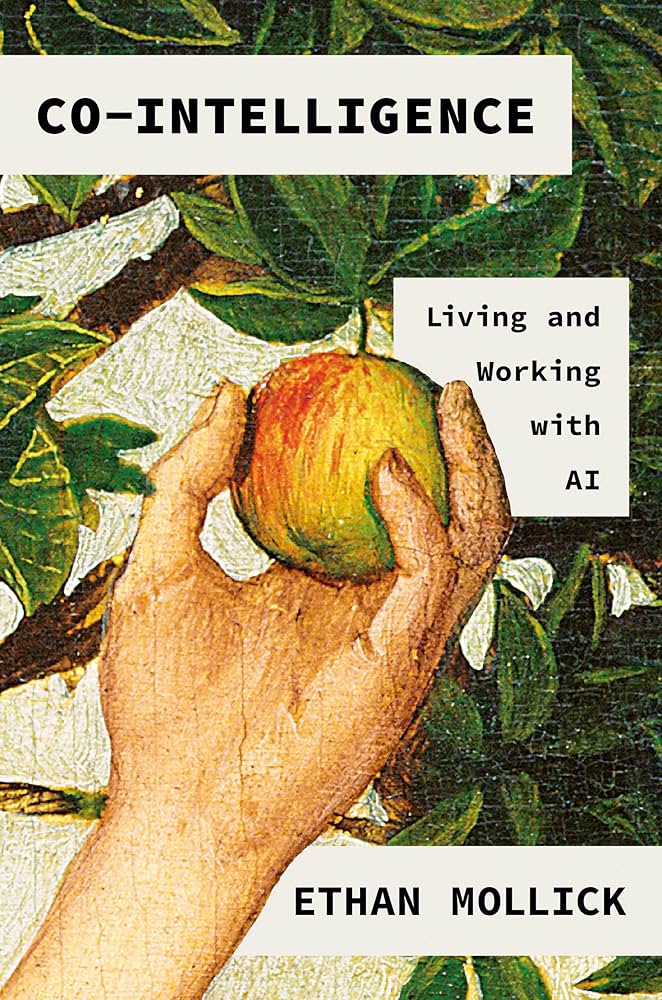
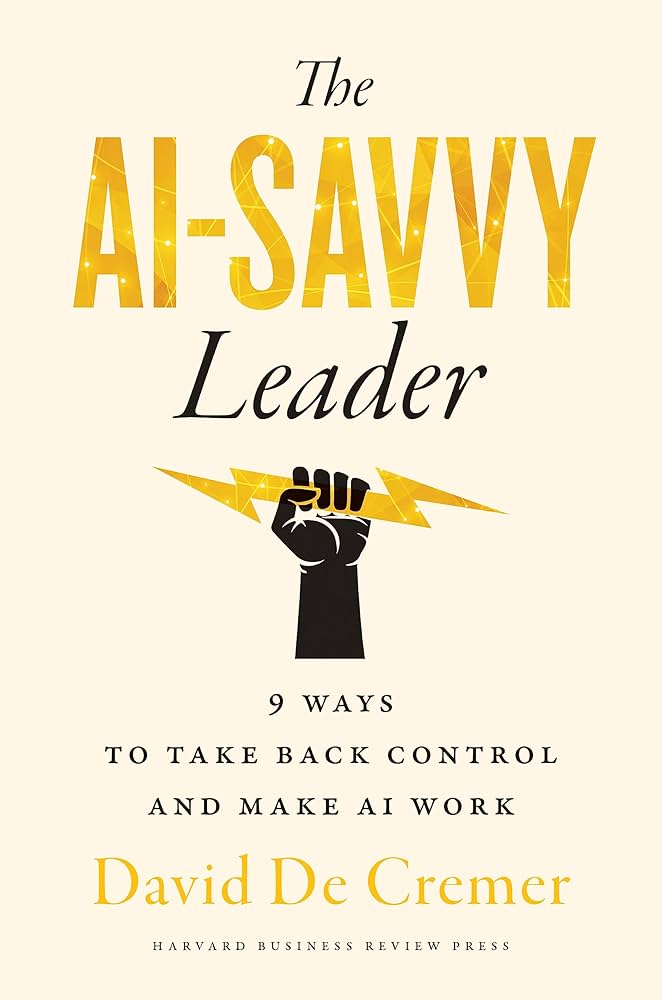
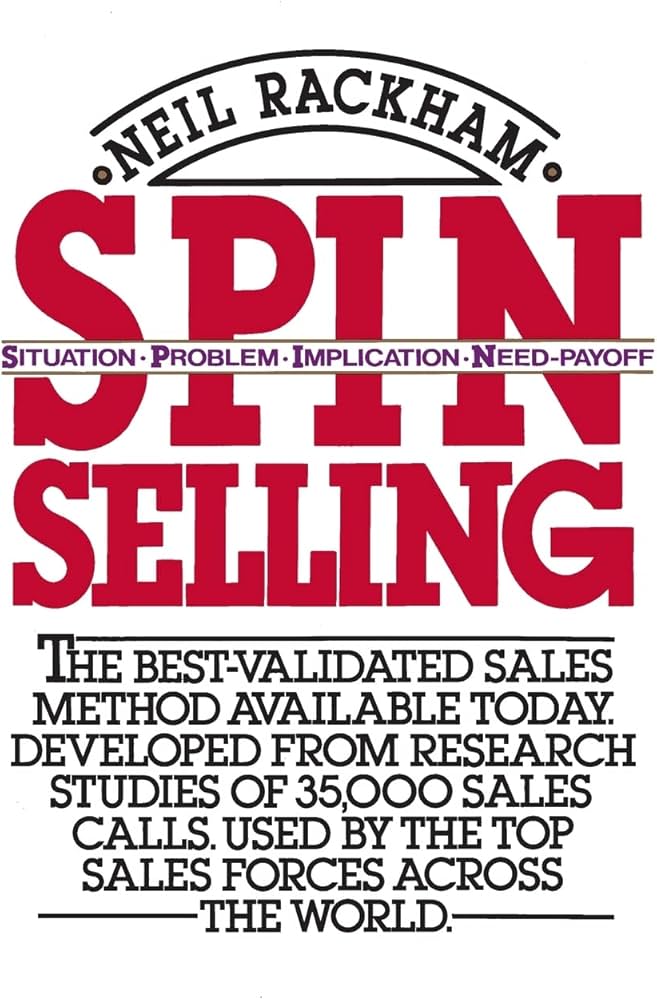
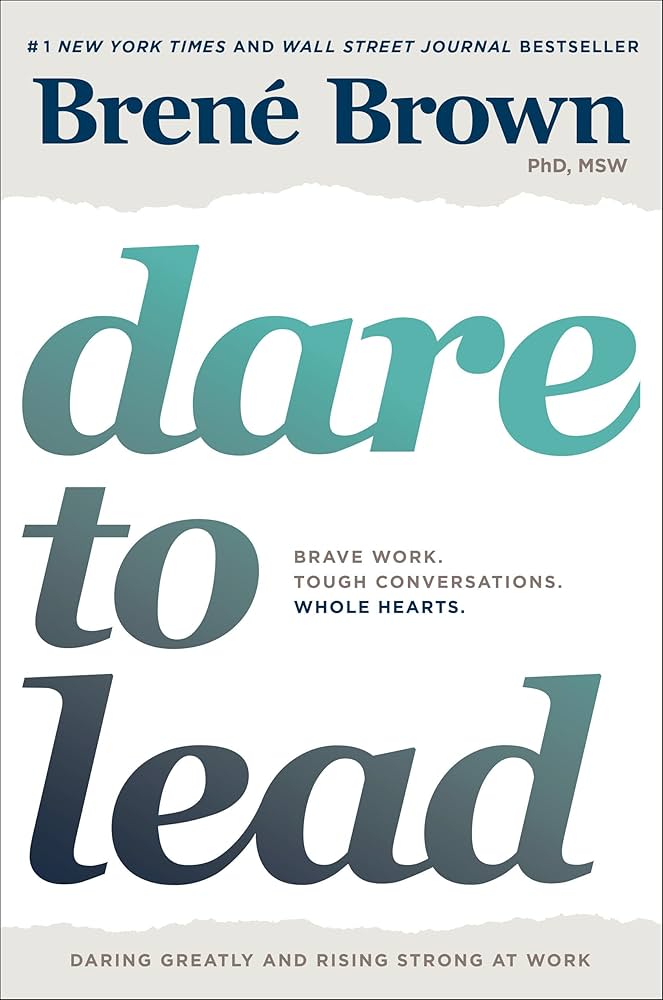
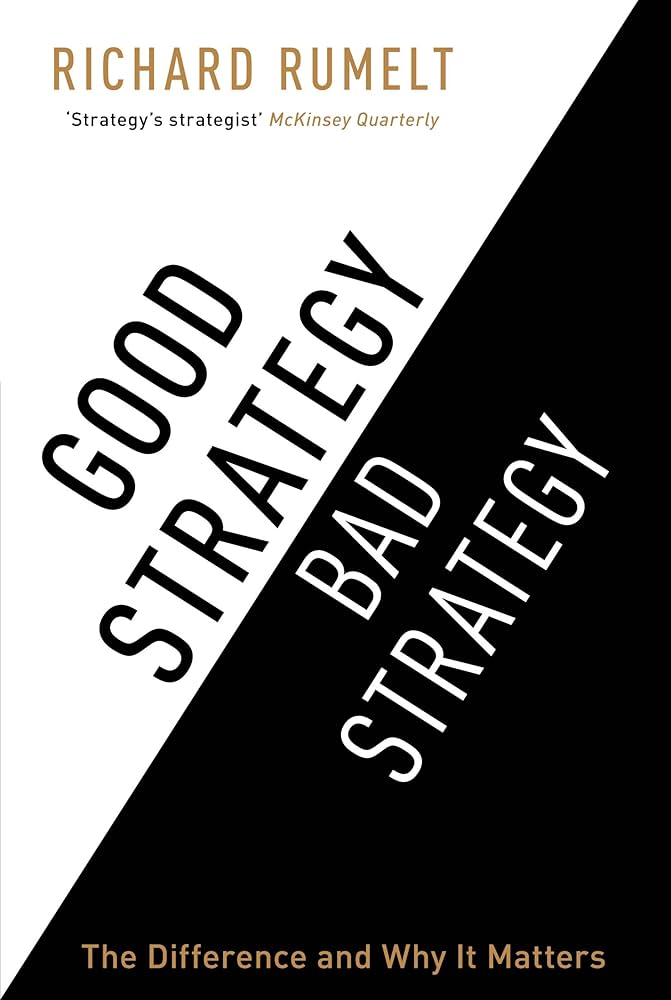
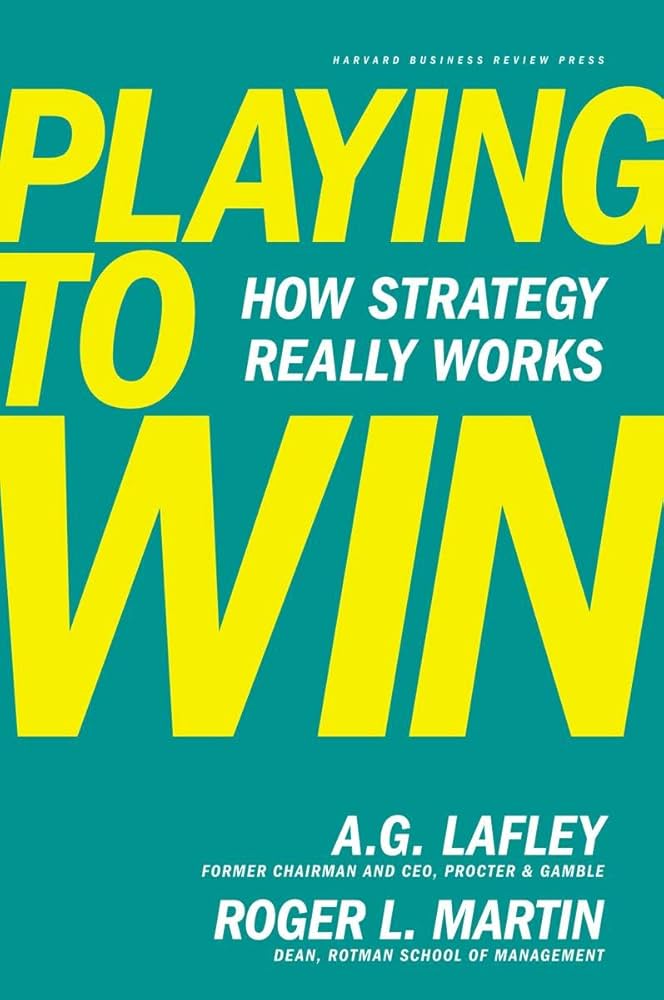
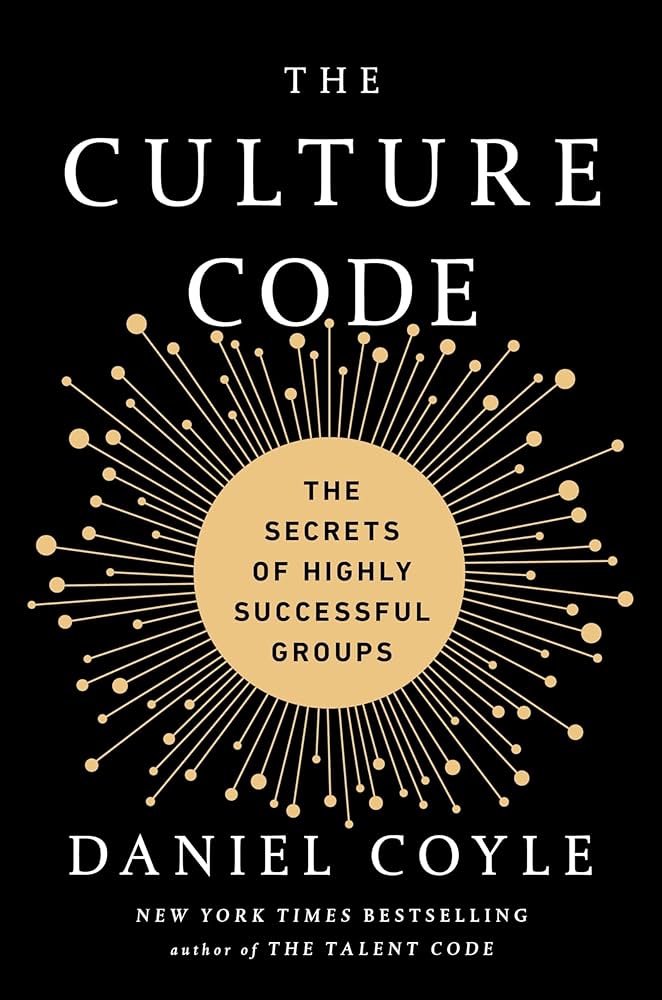
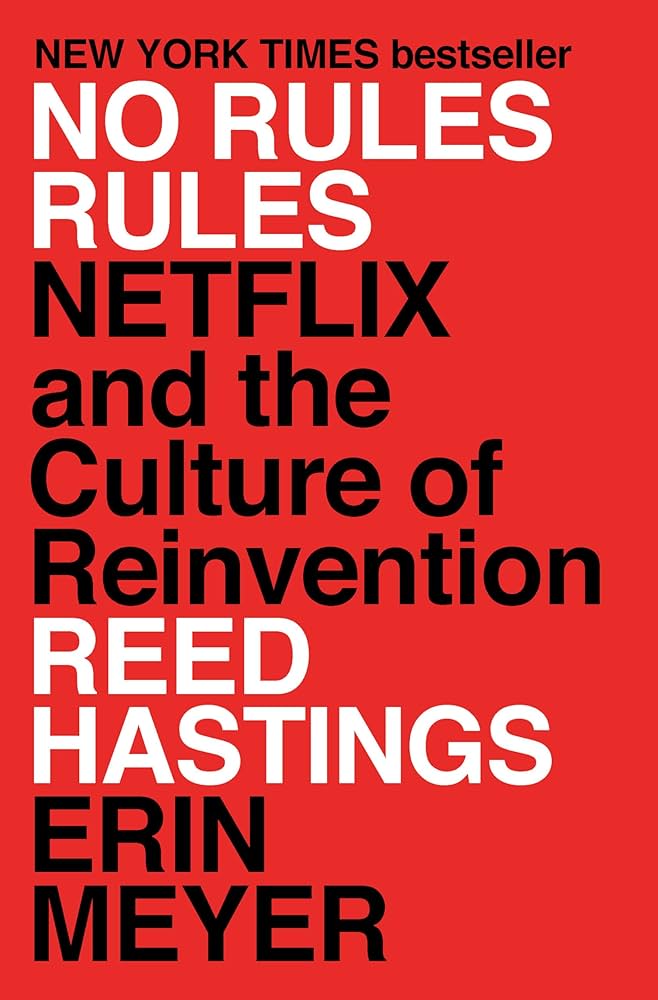
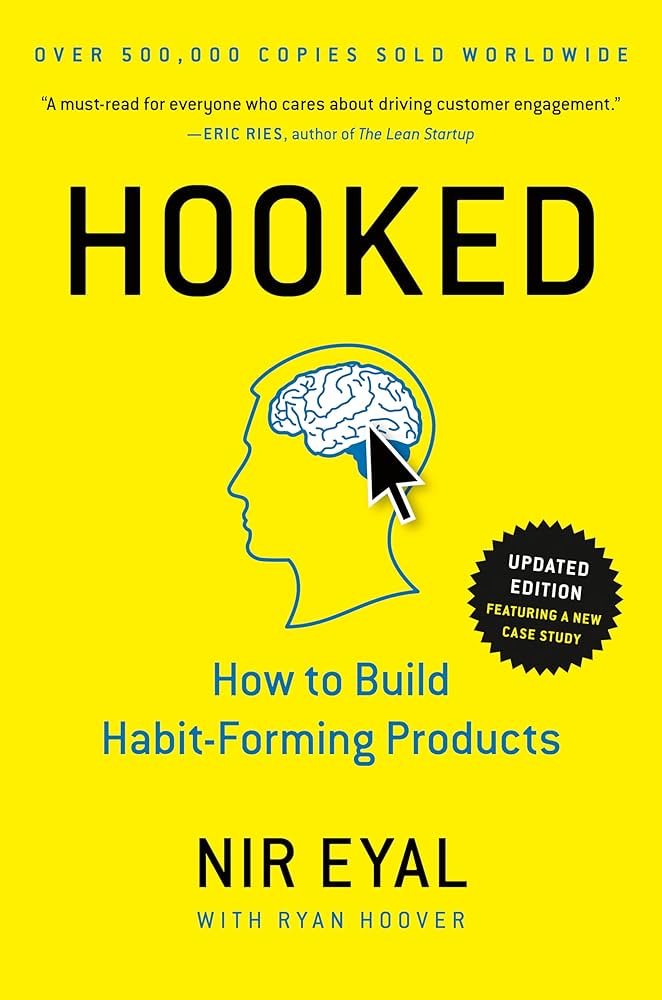
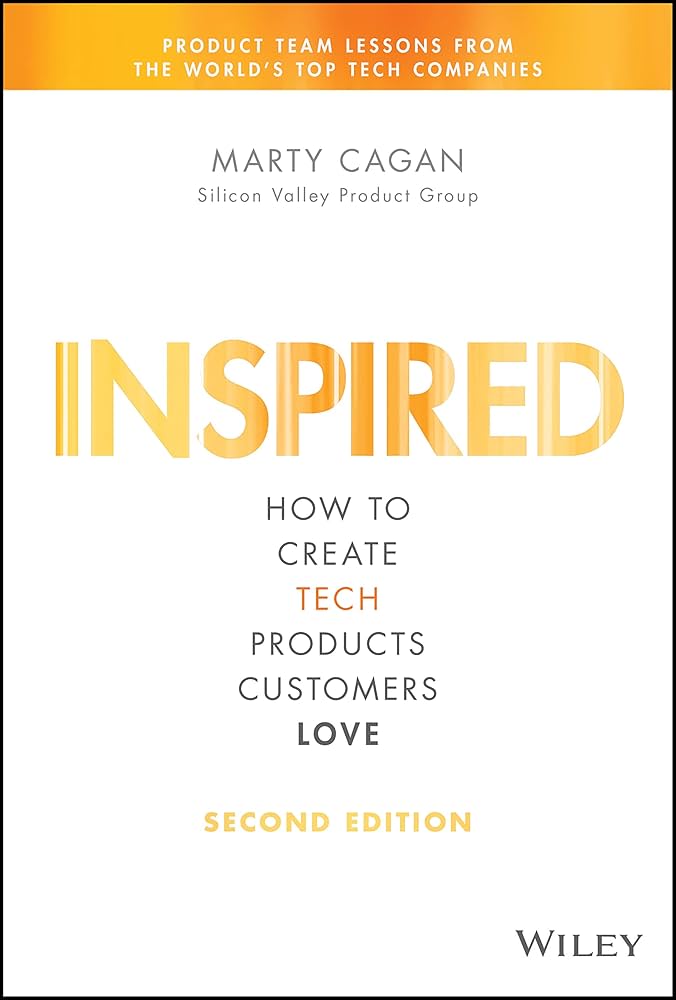
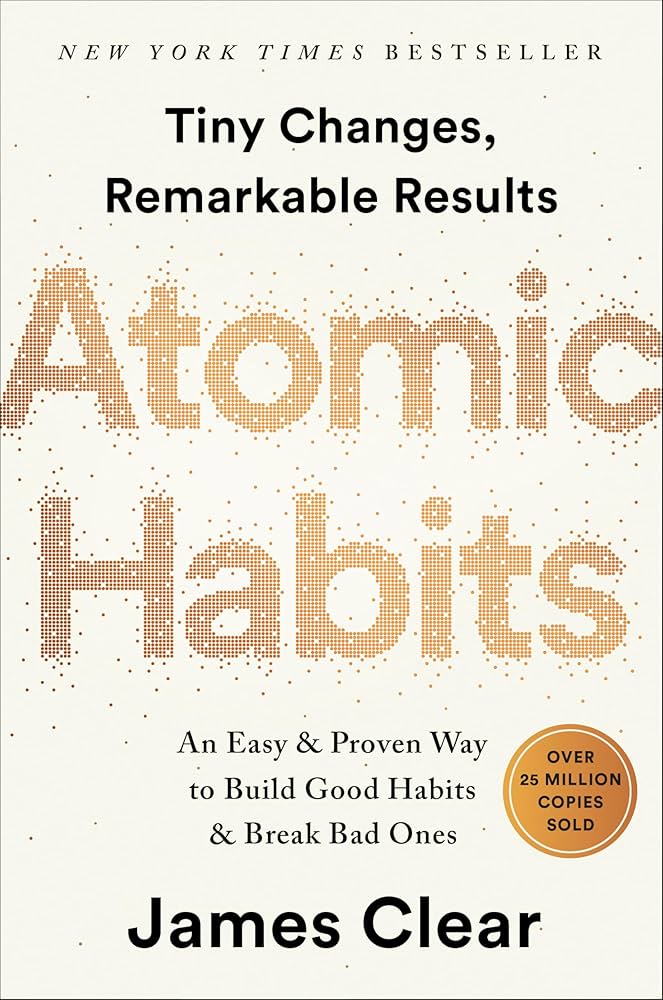
350+ expert playbooks
AhaPlay generates and runs the full programme. On autopilot.
What used to take consultants, trainers, and facilitators months happens in hours. AhaPlay generates the complete multi-week programme — discussion topics, team exercises, commitment frameworks, measurement criteria — then schedules the live sessions, runs them across your organisation, monitors progress, and reports on outcomes. End to end.
The methodology manages group dynamics, structures the conversation, and drives teams to alignment — the structure does what a facilitator would, consistently, in every session.
The interaction engine that makes non-facilitated team sessions work at scale is protected under U.S. Patent No. 12,585,326.
Generating your programme…
Then, on autopilot:
Ongoing until practices are fully internalized
Teams meet, discuss, and commit.
This is where the real change happens. Teams don't watch a video or read a document. They work through structured sessions where they share their perspectives, discuss, align, and commit together, in real time.
Every session alternates between individual reflection and team collaboration. First you think alone. Then you align as a group, and you can't move forward until the team agrees. This isn't a webinar. It's a working session that produces visible output: shared definitions, collective decisions, and concrete commitments.
✦ Information doesn't change behaviour. Structured peer conversation does — because when your team commits together, following through stops being optional.
Predict: How aligned is your team on your company's top 3 priorities?

Click Continue to submit your answer.
Align: How aligned is your team on your company's top 3 priorities?
Author's Suggestion
Team Suggestion
Your team has aligned on a team answer.
List: What are the real consequences of misalignment in your team?
Writing Together
Group List
Work as a team. Write and agree on group list items to continue.
Rate: How closely does your list match what research shows about misalignment costs?
Research Findings
Team Suggestion
Now, work as a team. Compare the pinned items, choose an answer, discuss it and align on a team answer to continue.
Commit: Name one specific action you will take this week to keep your team aligned on our priorities.
Type your personal commitment here...
e.g., I will start every Monday stand-up by restating our team's #1 priority and asking what's blocking it.
Write your personal commitment. Be specific: what, when, and how.
Endorse: Support your teammate's commitment
Sarah J.
"I will start every Monday stand-up by restating our team's #1 priority and asking what's blocking it."
When teammates endorse your commitment, they're agreeing to help you follow through.
Review your teammate's commitment. Endorse it to show your support.
You see exactly what's changing — and what it's worth.
Every session produces measurable output: alignment scores, individual and team commitments, completion data — across every team, every department. The Alignment Index shows where teams are aligned, where they're not, and how both trend over time. And because every commitment is made by a person, in front of their team, accountability isn't a conversation — it's a dashboard. Measured across four indices — from how far apart teams started to what they've committed to do. When someone asks what the programme delivered, you don't answer with anecdotes. You answer with numbers.
Programme Results
34%
Divergence Index
↘ −21% this month
82%
Alignment Index
↗ +15% this month
11%
Resistance Index
↘ −6% this month
91%
Commitment Index
↗ +9% this month
Alignment Index Over Time
Commitments
And it doesn't stop. Reinforcement sessions and check-ins continue until new practices are fully internalized — not just understood.
How Alignment is Measured
Every other approach measures attendance. AhaPlay measures what teams actually think.
How far apart your teams really start.
The spread of perspectives on a topic before alignment work begins — the misalignment you've never been able to see, made visible.
How much common ground they've built.
Not whether everyone agrees — whether the team has converged enough to move forward together.
Where teams genuinely push back.
The degree to which teams disagree with the direction itself. Strategy usually fails silently — this surfaces the pushback while you can still do something about it.
Whether intentions become contracts.
The share of commitments people sign as team contracts — alignment converted into accountable action.
Together, the four indices show you the journey: where teams started, where they landed, what they honestly think, and what they've committed to do.
Case Study: Merkle
Same teams. Same meetings.
Completely different outcomes.
How Merkle aligned 350+ team members on customer-facing practices that directly impact service quality — in one month, not quarters.
Merkle × AhaPlay
When everyday habits are costing you customers
Merkle had operated as a distributed company for years — but the everyday habits that make distributed work actually work had never fully landed. Cameras off in client meetings. Late joins. Talking over each other. Individually minor. Collectively, these habits were shaping how customers perceived the entire relationship. The irony: as AI handles more routine interactions, the moments when humans show up in person carry more weight than ever. Merkle needed those moments to be consistent, professional, and intentional — across every team.
Merkle had four options on the table.
Each had been tried before. None had fully worked.
Reaches all teams
AhaPlay
Teams actually discuss it
AhaPlay
Produces commitments
AhaPlay
Change persists
AhaPlay
Measurable
AhaPlay
| Leadership Cascade (1:1s, Team Meetings) | Workshop with Facilitator | E-Learning / LMS | Internal Comms (All-Hands, Email) | AhaPlay | |
|---|---|---|---|---|---|
| Reaches all teams |
Message dilutes at every level
|
One facilitator per group, months to scale
|
Easy to distribute
|
Easy to distribute
|
Every team, in parallel — no facilitator bottleneck
|
| Teams actually discuss it |
Depends on each manager's skill
|
If well-facilitated
|
Individual only
|
One-way broadcast
|
Structured discussion is the session itself
|
| Produces commitments |
No structured commitment mechanism
|
Sometimes, rarely tracked
|
No commitment mechanism
|
No commitment mechanism
|
Built into every session, signed as team contracts
|
| Change persists |
Inconsistent follow-through
|
Fades within weeks
|
Forgotten quickly
|
Lost in inbox
|
Reinforcement sessions until internalized — tracked
|
| Measurable |
No visibility beyond anecdotes
|
Anecdotal at best
|
Completion rates only
|
Open rates at best
|
Four indices, per team, over time
|
Merkle chose a different approach — and here's why it worked.
They ran a structured AhaPlay programme based on Jane Dutton's research on high-quality connections (University of Michigan). Instead of sending a policy memo or running a workshop, they put teams through a series of sessions where they had to confront, discuss, and commit to change together. The programme didn't just inform people. It aligned them on three levels — and locked the change in with a fourth.
Cognitive Alignment
Teams built a shared understanding of what 'building quality connections with customers' actually means — not what each person assumed it means. Using Dutton's framework, they defined it together.
Motivational Alignment
Teams confronted the real impact of their current practices on customer relationships. They didn't just hear about it — they discussed it, challenged each other, and created a shared urgency to change.
Behavioural Alignment
Teams agreed on specific, shared practices: cameras on, joining a minute early, muting when not speaking, using hand-raising and reactions. Not as a policy — as a collective commitment.
+ The Social Contract
When your team has discussed a practice together — and you know what they know — not following through becomes the hard thing. The social pressure isn't imposed. It emerges from the shared commitment.
The social contract, in practice
"I never thought not switching on my camera could impact how customers experience our service. I've changed — and I can see my team members changing too."

Kiril Russev
Operations Manager, Merkle
The outcome
"The sessions made it personal, and the team commitment made it stick. We can see these practices happening now — consistently, across teams."

Lyubo Cholakov
Managing Director, EMEA Delivery Center, Merkle
Everyday habits are the hardest thing in an organisation to change — harder than strategy, because nobody thinks they're the problem. Merkle changed them in one month, across 350+ people, measurably. If structured team sessions can do that, aligning your teams on strategy is the easier problem.
Read the full Merkle case study →Get Started
Your teams are already moving fast. Let's make sure they're moving together.
Book a 30-minute demo. Bring your strategy document, compliance policy, or culture deck — and see it transform into a structured programme your teams can start working through in days.
Not ready to talk? Read The Alignment Gap →