Only When It's Worth It
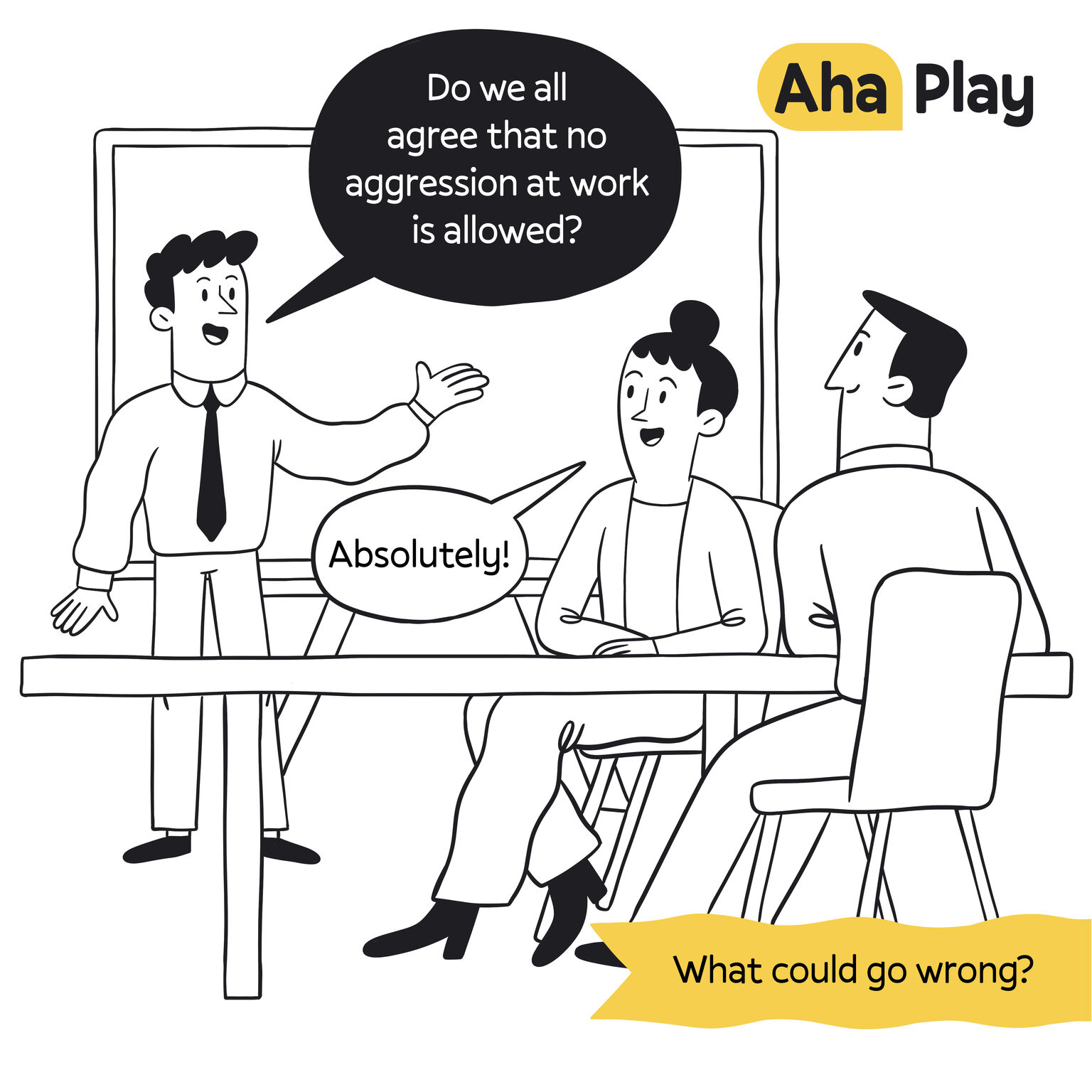
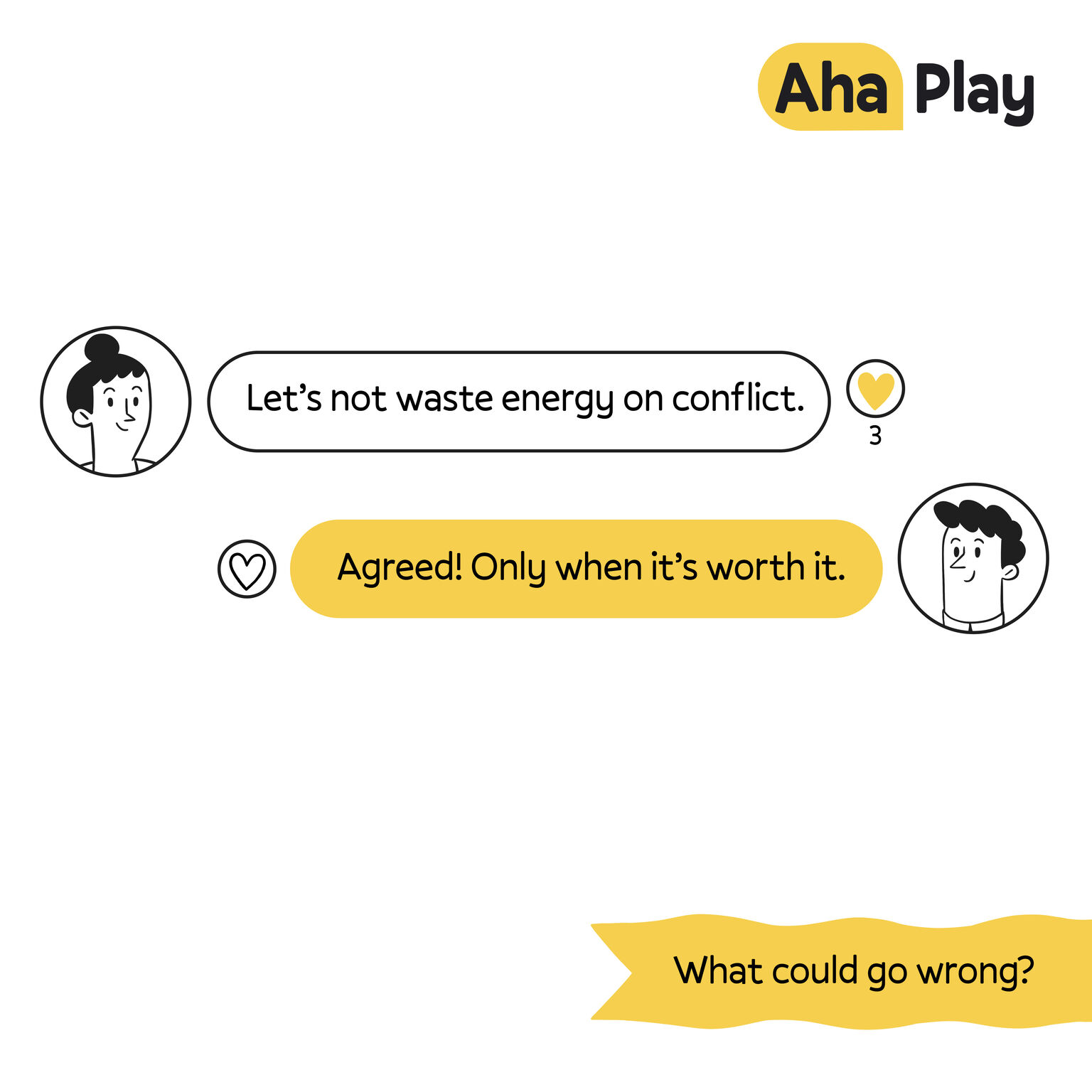
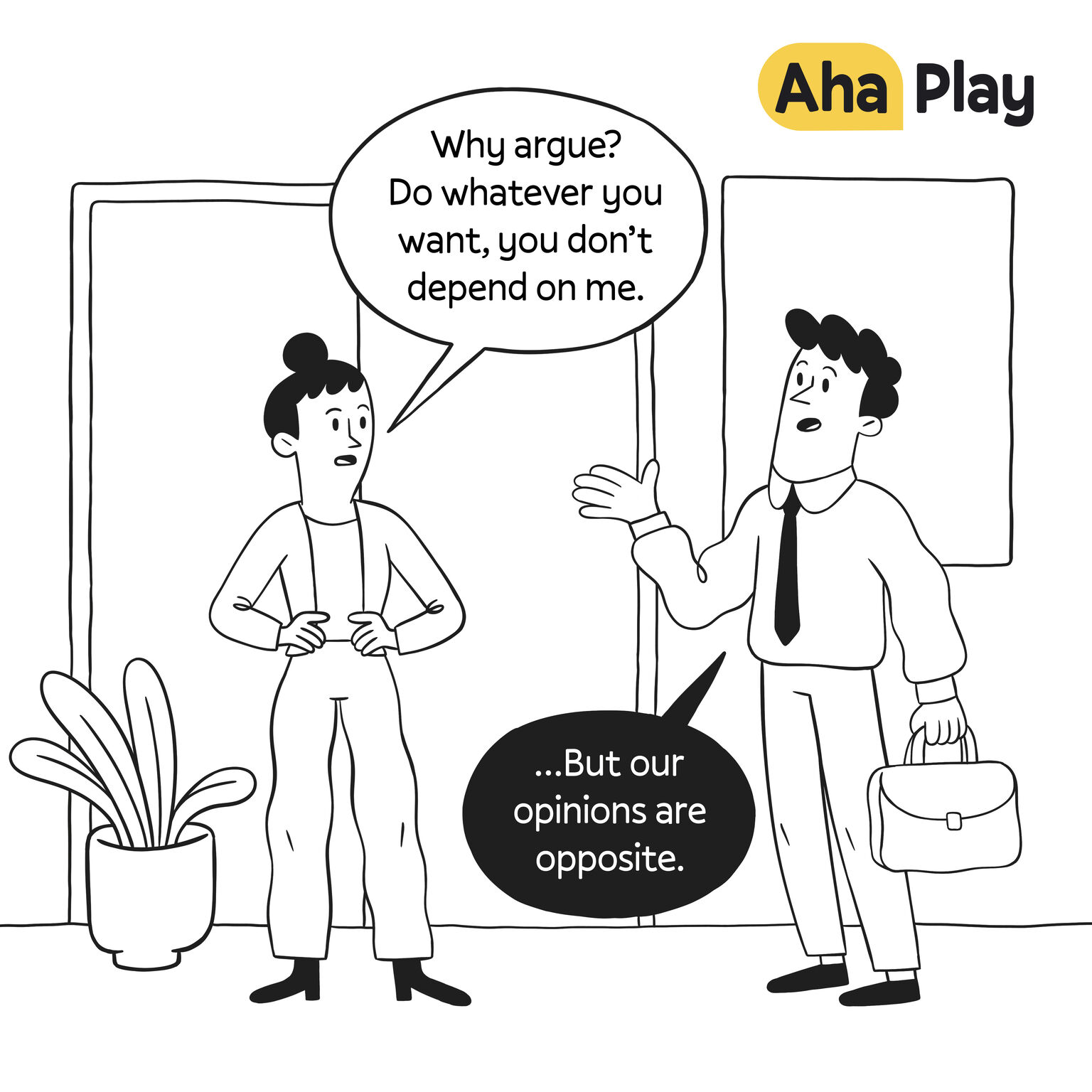
The story: She said let's not waste energy on conflict. He agreed — only when it's worth it. Then she dismissed a disagreement entirely: why argue, do whatever you want, you don't depend on me. He was stunned — but our opinions are opposite. She thought avoiding conflict meant not engaging at all. He thought it meant choosing battles wisely. The gap between those two isn't small. It's the difference between conflict avoidance and conflict resolution.
What it means for organisations: "Pick your battles" is advice that sounds like alignment and produces disengagement. When teams agree to reduce conflict without distinguishing between productive disagreement and destructive friction, some people opt out of necessary debates entirely. The conflict doesn't disappear — it goes underground, into decisions made without challenge and problems left without resolution.