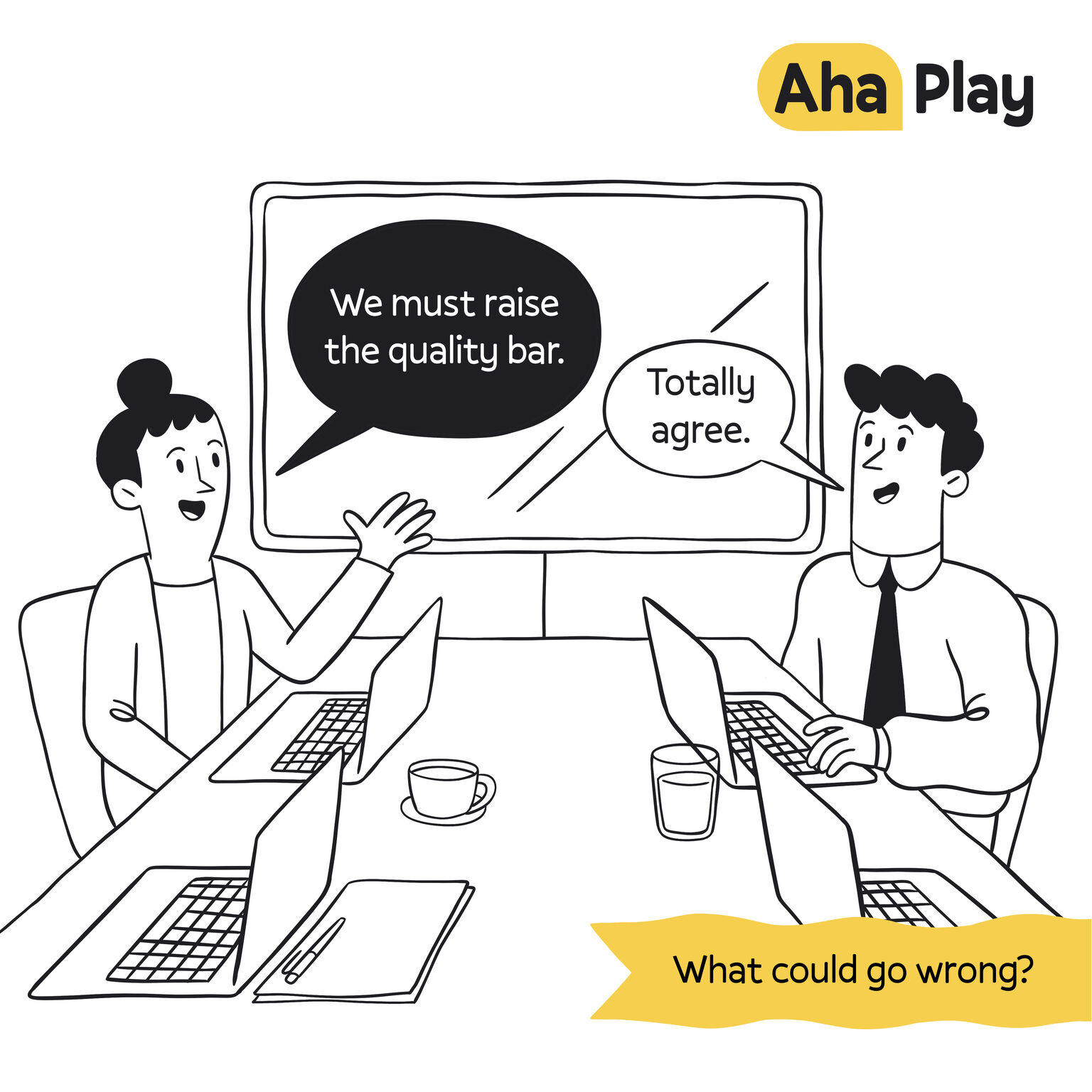
Seniors First — But Who's Senior?
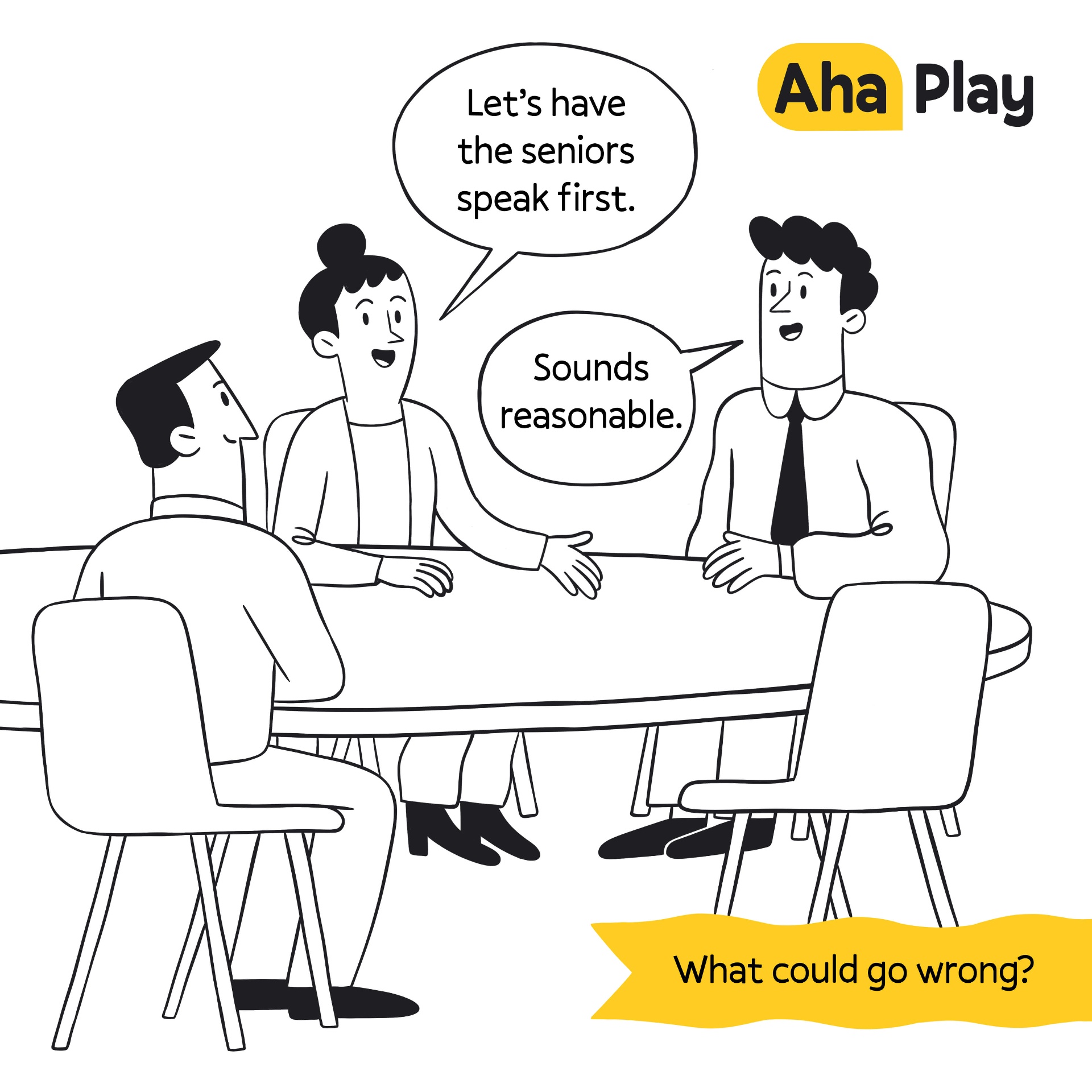
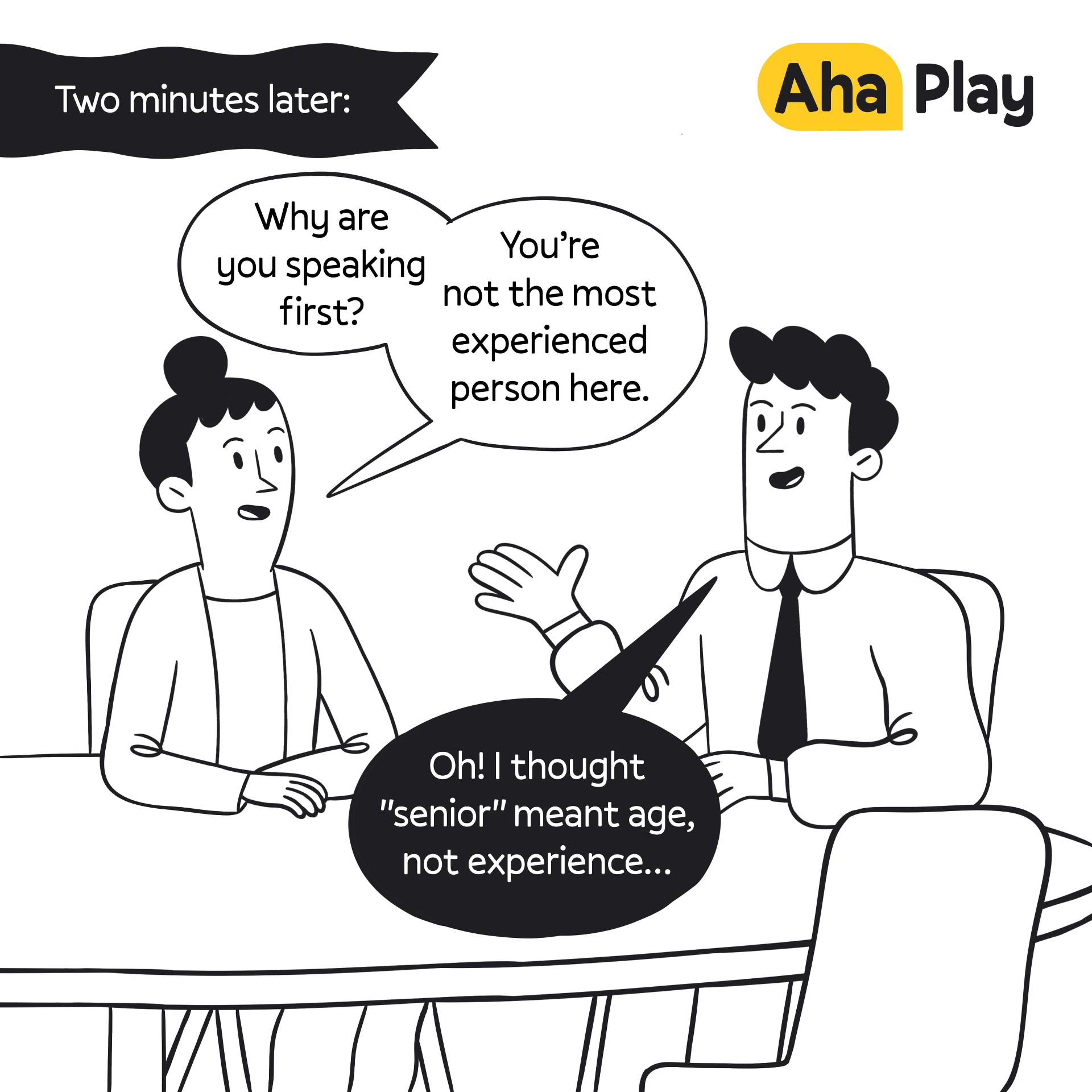
The story: They agreed to let the seniors speak first. Sounds reasonable. Two minutes later, she started talking — and he stopped her. Why are you speaking first? You're not the most experienced person here. The third person at the table looked up: I thought "senior" meant age, not experience. Three people. One word. Three completely different criteria for who should go first.
What it means for organisations: "Senior" is a word organisations use constantly — in titles, in meeting norms, in decision rights — without ever defining whether it refers to age, tenure, role level, or domain expertise. When a team defers to "the senior person" without clarifying which version of seniority they mean, they don't create order. They create a room where three people are each waiting for a different person to speak — and the wrong one does.