Do Not Disturb — But What Counts as a Distraction?
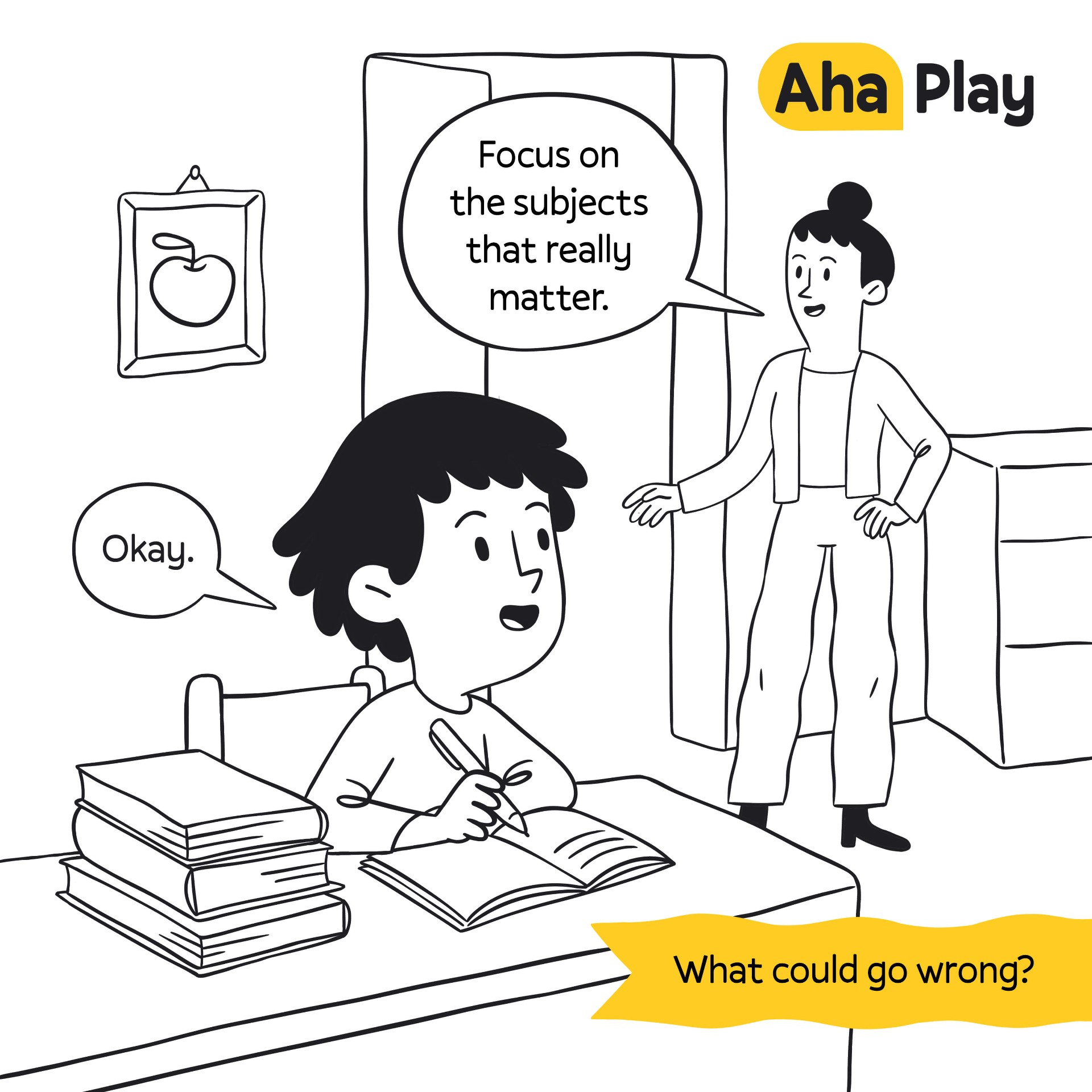
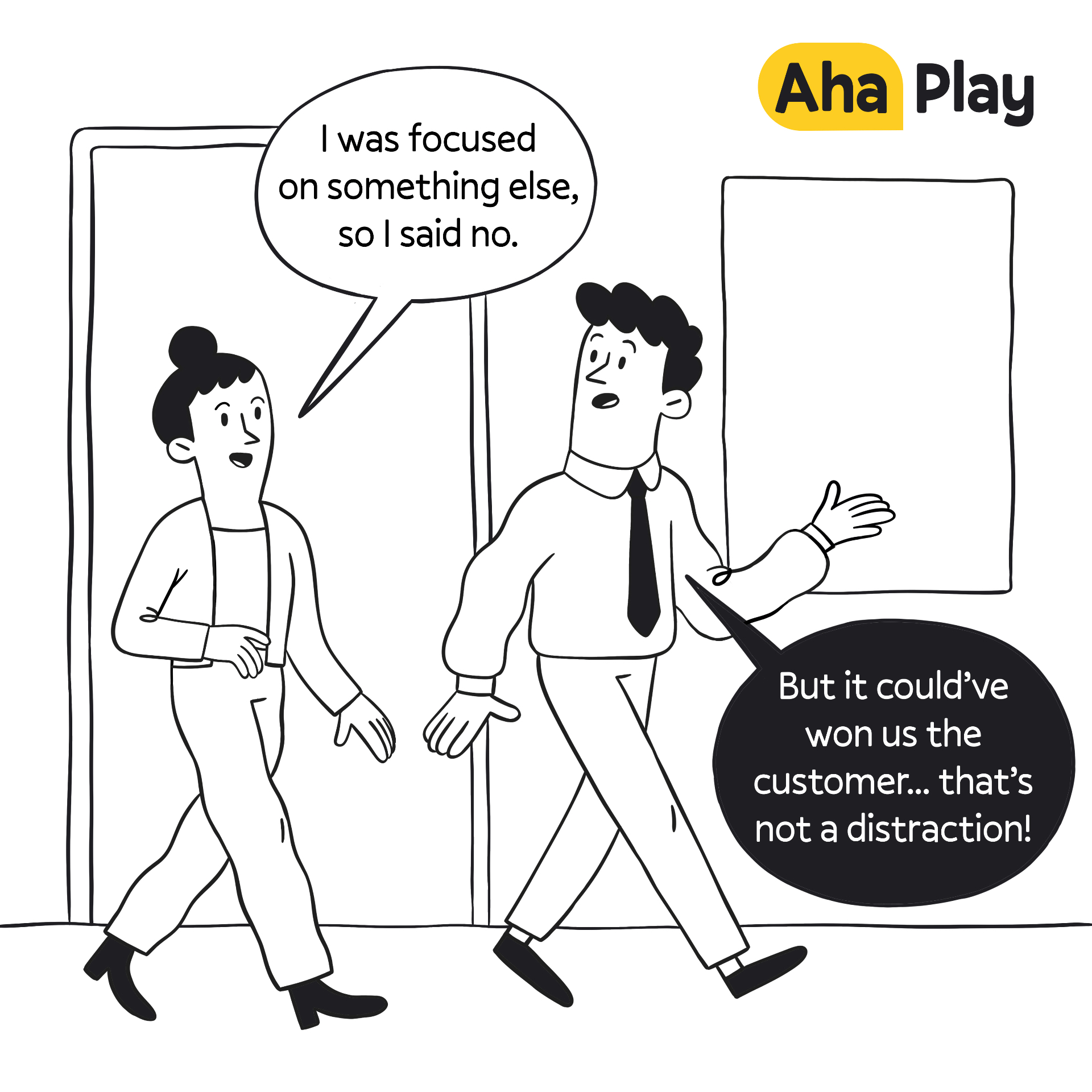
The story: They made a no-distraction pact. She even got a "Do Not Disturb" cap. Brilliant idea — an easy way to honour the agreement. Then a customer opportunity came in while she was deep in work. She said no — I was focused on something else. He couldn’t believe it. But it could’ve won us the customer — that’s not a distraction! To her, anything unplanned was a distraction. To him, a distraction had to be low-value — and a customer was never that.
What it means for organisations: "No distractions" is one of those agreements that feels bulletproof until the first important interruption arrives. The problem isn’t discipline — it’s definition. Without agreeing on what counts as a distraction versus what counts as an urgent exception, the same pact that protects deep work in one person’s mind becomes a reason to ignore a revenue opportunity in another’s. Teams don’t need a rule about distractions. They need a shared understanding of what’s worth breaking focus for.