
Zero Tolerance — But Where’s the Line?
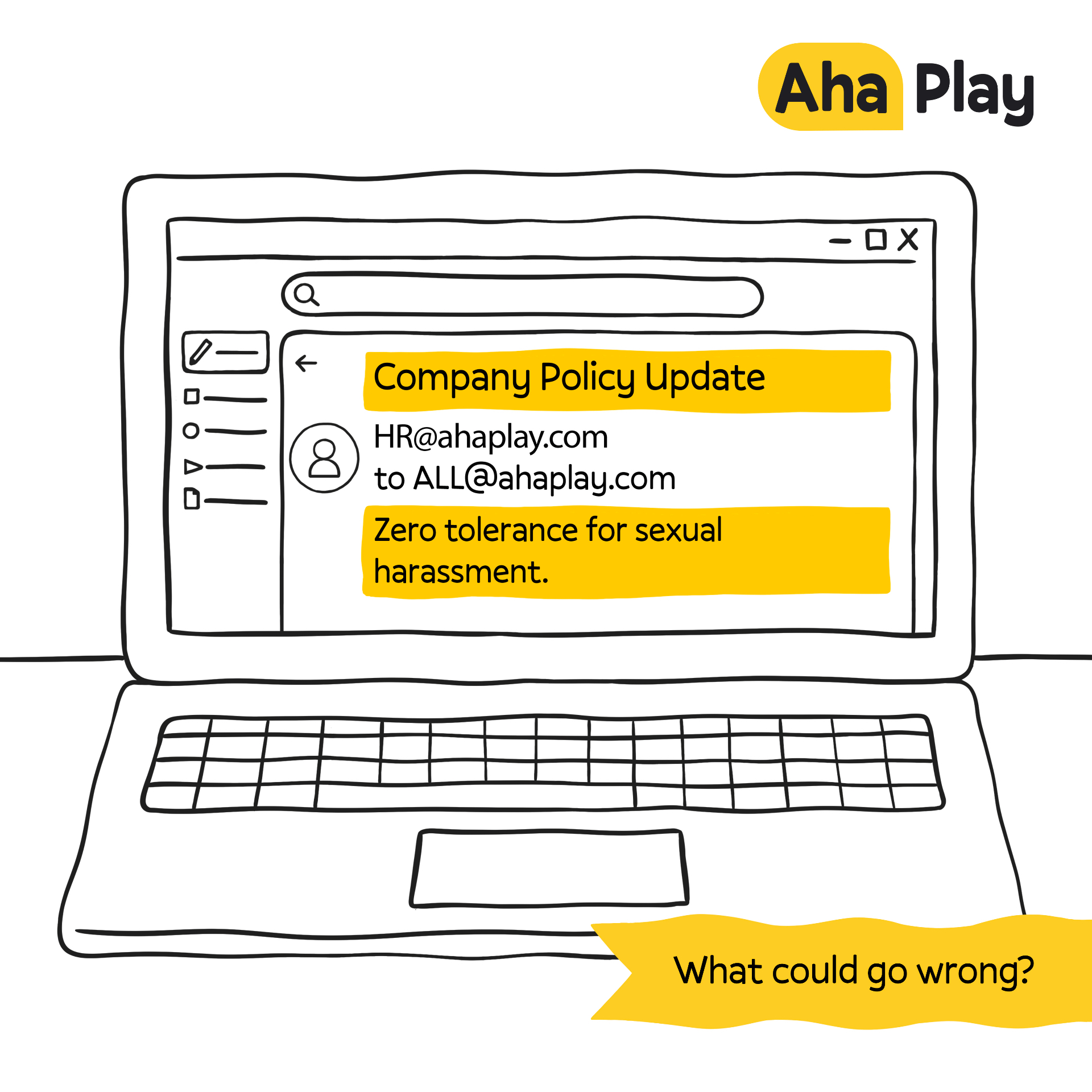
The story: The email went to everyone. Company policy update: zero tolerance for sexual harassment. Clear enough. Then he made a comment about her legs. She told him it wasn’t appropriate. He said she was overreacting. The policy existed. The email was sent. But nobody had ever discussed where the line actually sits — and the person who crossed it didn’t think he was anywhere near it.
What it means for organisations: "Zero tolerance" is the strongest language a policy can use — and the vaguest when it comes to everyday behaviour. Everyone agrees harassment is unacceptable. Almost no one agrees on where the boundary falls in the grey zone: the comment meant as a compliment, the joke that lands differently depending on who hears it, the pattern that’s invisible to the person creating it. When organisations declare zero tolerance without making teams discuss what it looks like in practice — in their specific context, between their specific people — they don’t prevent incidents. They guarantee that when one happens, one person is shocked and the other thinks the reaction is disproportionate.